
Adult bears, whether in the wild or in captivity, face a lot of health issues. These osos maduros enfermedad can really affect their quality of life and how long they live. It’s important to understand these conditions, their causes, and how to manage them.
This article is based on expert veterinary advice and the latest research. If you’re involved in caring for or conserving adult bears, this information is essential.
Common Health Conditions in Adult Bears
Arthritis is a real pain for adult bears. It causes joint pain and inflammation, making it tough for them to move around. Symptoms include limping and stiffness.
Treatment options can range from anti-inflammatory medications to physical therapy. The goal is to keep the bear as comfortable and mobile as possible.
Dental issues are another big problem. Tooth decay and gum disease can be common. These problems can lead to serious infections if left untreated.
Regular dental check-ups and a balanced diet can help prevent these issues. If a bear does develop dental problems, treatment might involve cleaning, extractions, or even antibiotics.
Obesity is a growing concern. Overweight bears face a higher risk of heart disease, diabetes, and other health issues. Weight management is key.
A balanced diet and regular exercise can help. In the wild, this means plenty of space to roam and natural foods to eat. For bears in captivity, it’s about providing a healthy diet and opportunities for physical activity.
Osos maduros enfermedad can be a real challenge. But with the right care and attention, many of these conditions can be managed. It’s all about keeping our furry friends healthy and happy.
Nutritional Needs and Diet-Related Conditions
When it comes to maintaining optimal health, a balanced diet is key. Adult bears, like us, need essential nutrients to stay strong and healthy.
Malnutrition can be a real issue. It shows up with symptoms like fatigue and weakness. Long-term, it can lead to serious health problems.
To avoid this, make sure you’re getting a variety of foods that cover all your dietary needs.
Food allergies and intolerances are another thing to watch out for. They can cause discomfort and even more severe reactions. Identifying these issues early is crucial.
Managing food allergies in bears involves careful monitoring and sometimes eliminating certain foods from their diet. It’s not always easy, but it’s necessary.
Balanced Diet vs. Malnutrition
A balanced diet provides the right mix of proteins, fats, carbohydrates, vitamins, and minerals. This helps keep the body functioning well. On the other hand, malnutrition happens when there’s a lack of one or more of these essential nutrients.
The effects can be devastating, leading to osos maduros enfermedad and other serious conditions.
Food Allergies vs. Intolerances
Food allergies and intolerances are often confused, but they’re different. An allergy is an immune system reaction, while an intolerance is a digestive issue. Both can cause discomfort, but allergies can be life-threatening.
Knowing the difference is important for proper management.
By understanding these differences, you can make better decisions about what to eat and how to stay healthy.
Parasites and Infectious Diseases
Internal Parasites
Internal parasites can wreak havoc on your health. Common types include tapeworms, roundworms, and hookworms. Symptoms vary but often include abdominal pain, diarrhea, and weight loss.
Effective treatments are available, so it’s crucial to see a doctor if you suspect an infection.
External Parasites
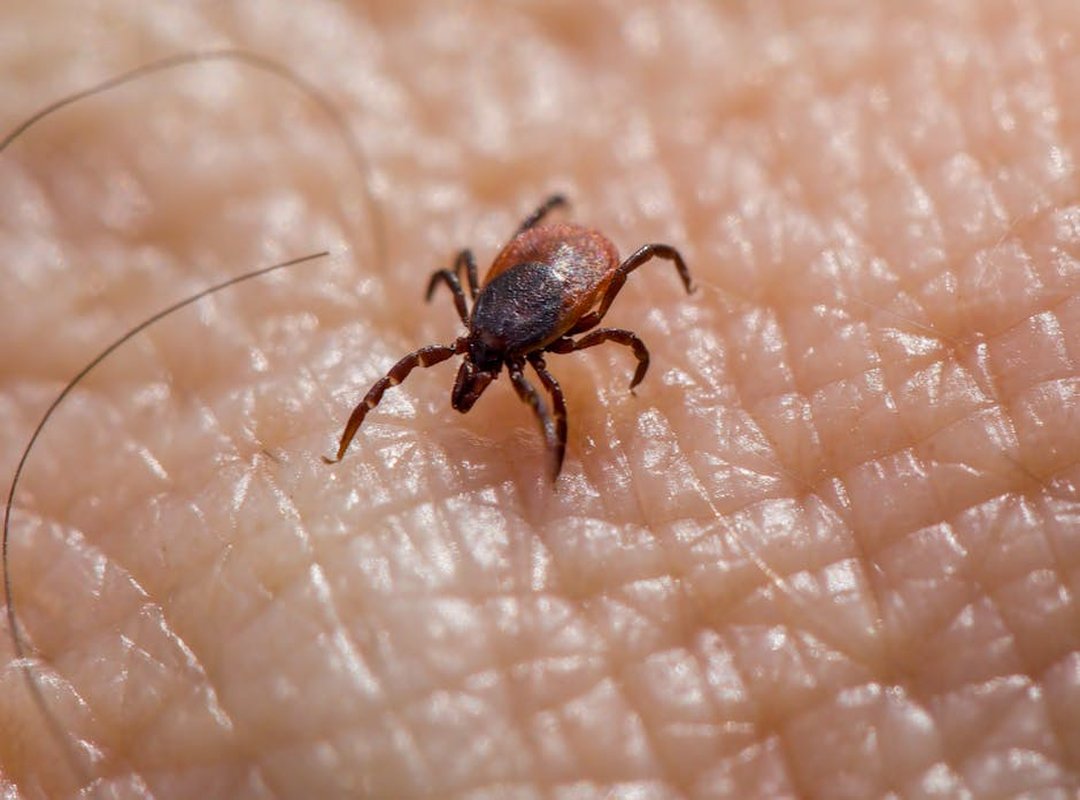
External parasites like ticks and mites are no joke. Ticks, for example, can transmit serious diseases such as Lyme disease. Mites can cause skin irritation and allergic reactions.
Controlling these pests involves regular cleaning, using repellents, and checking for bites or infestations.
Infectious Diseases
Infectious diseases spread through various means, including contact, air, and vectors like mosquitoes. Diseases like the flu, osos maduros enfermedad, and malaria are common. Preventive measures, such as vaccinations, good hygiene, and avoiding contaminated areas, can significantly reduce your risk.
Understanding these parasites and diseases is key to staying healthy. It helps you take proactive steps to protect yourself and your family. And let’s be real, who doesn’t want to avoid those nasty symptoms and stay in top shape?
(Especially if you’re into intense training routines.)
Behavioral and Mental Health Concerns
Stress and anxiety are real issues for adult bears. They face a lot of the same pressures we do.
Sometimes it’s the environment, other times it’s social interactions. It can be tough to pinpoint exactly what’s causing their distress.
Creating a stress-free environment is key. This means providing a calm, predictable space. Simple things like consistent routines and a quiet area can make a big difference.
Behavioral problems often come up when stress isn’t managed well. You might see aggression, pacing, or even self-injury.
These behaviors can be frustrating and concerning. But they’re also signs that something needs to change.
Strategies for behavior modification and training can help. Positive reinforcement works wonders. Rewarding good behavior with treats or praise can turn things around.
Consistency is crucial. Stick with the training and don’t give up. (It’s not easy, but it’s worth it.)
Osos maduros enfermedad can be a serious issue. It’s important to address these concerns early.
Remember, a little patience and understanding go a long way.
Preventive Care and Regular Check-Ups
Regular veterinary visits are crucial. They help catch health issues early, which can make a big difference in treatment outcomes.
During a check-up, the vet will examine your bear’s overall health. They’ll check for signs of osos maduros enfermedad, listen to the heart and lungs, and inspect the skin and coat.
- Schedule regular check-ups. Aim for at least once a year.
- Discuss any concerns. If you notice anything unusual, bring it up with the vet.
- Follow the vet’s advice. They might suggest additional tests or treatments based on their findings.
Vaccinations are also key. They protect your bear from serious diseases.
Here’s what you need to know about vaccinations:
- Rabies. This is usually required by law and should be given annually.
- Distemper. Another essential vaccine, typically given every three years after the initial series.
- Parvovirus. Also important, especially if your bear spends time outdoors.
Stay on top of these schedules. It’s better to be proactive than to deal with a serious illness later.
Ensuring the Longevity and Well-Being of Adult Bears
The article discusses several key health conditions that can affect osos maduros enfermedad. Regular check-ups, a balanced diet, and a stress-free environment are crucial for maintaining their well-being.
Proactive health management is essential. It helps in early detection and treatment of potential issues. A balanced diet supports their overall health and immune system.
Creating a stress-free environment is also vital. Stress can lead to various health problems, so minimizing it is key.
Stay informed about the specific needs of adult bears. Seek professional veterinary advice to ensure they receive the best possible care.