
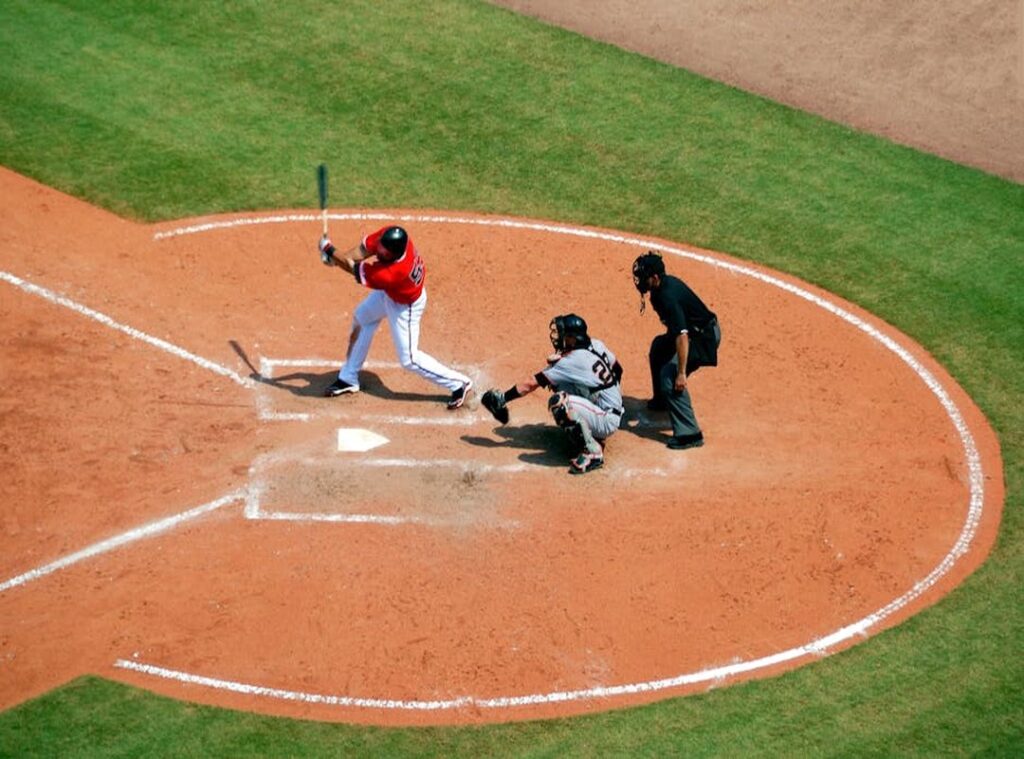
You’re watching a baseball game.
The announcer says “can of corn” and you stare at the screen like it’s speaking Greek.
Or “ducks on the pond.”
What does that even mean? A waterfowl picnic?
I’ve been there.
And I’m tired of baseball sounding like coded language just to keep people out.
This isn’t some dry dictionary.
It’s a real guide built by fans who remember what it felt like to be lost in the chatter.
We cut the noise. No fluff. No jargon about jargon.
Just clear, plain explanations of the terms you’ll actually hear.
You’ll walk away knowing Baseball Terms Sffarebaseball cold.
Not memorized (understood.)
You’ll stop feeling like an outsider. You’ll start hearing the game instead of the buzz. That’s the point.
Fielding the Fundamentals: Infield, Outfield, and Who Does What
I stood on that dirt for ten years. Not as a pro. But as someone who bled grass stains and missed fly balls in left.
The field splits clean: infield and outfield.
Infield is the diamond. Dirt. Hard throws.
Fast decisions.
Outfield is grass. Space. Patience.
And wind.
You need to know the nine positions. Not just names. What they do.
Pitcher starts every play. Throws the ball. Controls the pace.
Catcher squats behind home plate. Calls pitches. Blocks wild ones.
(Also takes more foul tips than anyone should.)
First baseman catches throws. Often off-balance. Needs soft hands.
Second baseman covers second base. Turns double plays. Works with the shortstop.
Shortstop? The infield’s quarterback. Most ground balls go there.
Third baseman guards the hot corner. Fastballs sting here. You’ll feel it.
Left fielder backs up third. Right fielder backs up first. Center fielder covers everything in between.
Home plate isn’t a place (it’s) a target. A line you cross to score.
The mound? That little hill? It’s where everything begins.
The dugout? Where you sit, sweat, and yell at the umpire.
The battery (pitcher) and catcher. Isn’t just two people. It’s one unit.
If they’re not synced, nothing else matters.
Sffarebaseball breaks down these terms without fluff.
Baseball Terms Sffarebaseball isn’t jargon. It’s language you use on the field, not in a textbook.
You don’t learn positions by memorizing lists. You learn them by missing a grounder at short.
Then doing it again.
Decoding the Batter’s Box: Balls, Strikes, and What Actually
An at-bat is simple. You get four balls or three strikes. That’s it.
I’ve stood in that box a thousand times. Nervous. Focused.
Swinging at bad pitches because I thought it was close.
A ball is any pitch outside the strike zone that you don’t swing at. A strike is either a pitch in the zone you miss, a swing-and-miss anywhere, or a foul ball (except on a third strike (more) on that later).
Three strikes? You’re out. Four balls?
You walk to first base. That’s a walk, not a gift. It means the pitcher couldn’t locate.
Strikeouts happen when you swing and miss three times, or take three called strikes. It stings. Especially with runners on.
A hit means you put the ball in play and reach base safely before the defense can throw you out.
Singles are most common. You hit it and land on first. Doubles send you to second.
Usually a line drive into the gap. Triples? Rare.
You sprint all the way to third like your life depends on it (it kinda does). A home run clears the fence. All four bases.
Done.
A grand slam is a home run with the bases loaded. Four runs. One swing.
Pure chaos.
Batting Average (AVG) is hits divided by at-bats. Simple math. Doesn’t measure power or walks (just) how often you get a hit.
RBI stands for Run Batted In. You get one every time your action puts a runner across home plate. Even if it’s a groundout.
A bunt is a soft tap. You’re trying to move a runner or surprise the defense. It’s smart.
Not weak.
A sacrifice fly happens when you hit a fly ball deep enough that a runner tags up and scores (even) though you make an out.
| Term | What It Means |
|---|---|
| Batting Average (AVG) | Hits ÷ At-Bats |
| RBI | Runs scored because of your plate appearance |
| Bunt | Intentionally tapping the ball softly |
| Sacrifice Fly | Fly ball out that lets a runner score |
Baseball Terms Sffarebaseball isn’t a glossary. It’s the language you need to watch a game and know what’s happening.
I go into much more detail on this in Sffarebaseball results 2023.
From the Rubber to the Plate: A Pitcher’s Vocabulary

I’ve stood on that mound. Felt the rosin bag stick to my palm. Heard the crowd hush before the windup.
A starting pitcher goes first. They’re expected to last six or seven innings. If they don’t, someone else has to clean up.
Relief pitchers come in later. They’re specialists. Some throw harder.
Some break balls sharper. Most just need to get three outs without giving up a run.
The closer? That’s the one who finishes it. Usually the ninth inning.
Usually with the lead. And usually with zero margin for error.
Fastball: throw it hard. Straight-ish. Goal is speed.
Not trickery.
Curveball: drops. Late. Makes batters swing over the top.
Slider: moves sideways and down. Faster than a curve, sharper than a fastball.
Changeup: looks like a fastball but arrives late. It’s all about timing (and) deception.
Shutout: no runs allowed. Period.
No-hitter: no hits allowed. Runs can still score (on errors or walks).
Perfect game: 27 batters up, 27 batters down. No hits. No walks.
No errors. Ever.
ERA? Earned Run Average. It measures how many earned runs a pitcher allows per nine innings.
Lower is better. Much better.
The bullpen isn’t a building. It’s where relievers warm up. Usually out of sight.
Always under pressure.
When a pitcher is on the ropes, they’re hanging on. One bad pitch away from collapse.
Getting shelled? That means getting hit hard. Repeatedly.
Like someone’s using your chest as a drum.
Baseball Terms Sffarebaseball aren’t just jargon. They’re the language of tension, control, and consequence.
You’ll see those terms in action in the Sffarebaseball Results 2023.
I watched a rookie blow a perfect game in the ninth once. One pitch. One swing.
One silence that lasted ten seconds.
That’s why every term matters.
It’s not trivia.
It’s what happens when the count is 3 (2) and the crowd leans forward.
Talking Like a Pro: Baseball Slang That Sticks
This is the fun part. The part where baseball stops sounding like a sport and starts sounding like a secret handshake.
I learned most of these terms by yelling them wrong in the stands. Then getting gently roasted by a guy named Sal who’s seen 417 Opening Days.
Can of corn means an easy fly ball. Not because it’s canned. Just because it drops right into your glove.
Like grabbing corn from a shelf.
Ducks on the pond? Runners on base. Golden sombrero?
Four strikeouts in one game. (Yes, it’s embarrassing. Yes, I’ve worn it.)
Painting the corners? A pitcher hitting the edge of the plate. Not wild, not lazy, just precise.
You’ll hear this slang everywhere. From Little League dugouts to the broadcast booth. It’s how fans bond without saying much.
If you want real context for how often these phrases pop up in actual games, check out the Sffarebaseball Statistics data. Baseball Terms Sffarebaseball isn’t just jargon. It’s rhythm.
It’s history. It’s the language of the game.
You Speak Baseball Now
I remember staring at a game, lost in the chatter. What’s a “cut-off man”? Why does everyone yell “back back BACK”?
That confusion? Gone.
You’ve got the Baseball Terms Sffarebaseball down cold (positions,) plays, slang, the whole rhythm of it.
This isn’t just vocabulary. It’s how you see the game. How you spot the plan behind a bunt.
How you feel the tension in a full-count pitch.
You don’t need to memorize more. You need to hear it.
So turn on a game this week. Listen for one term you learned. Then another.
Better yet. Text this guide to a friend who’s also tired of nodding along cluelessly.
It works.
I’ve seen it stick every time.
Your turn.
Go watch baseball like you belong there.