
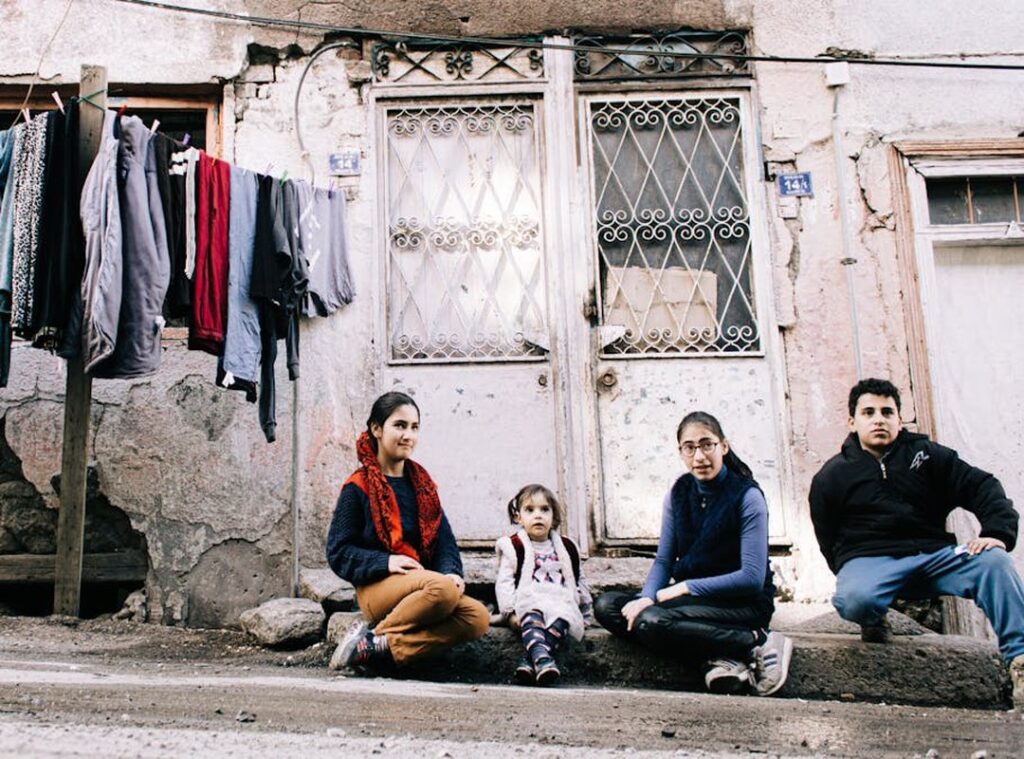
You’re standing there. Hand on the doorknob. Not sure if you’re walking into your old life (or) out of it.
I’ve watched people do this exact thing for over a decade. Not in labs or focus groups. In real homes.
Real gardens. Real kitchens where meals were shared across three generations.
Sandiro Qazalcat Living isn’t a hashtag. It’s not a retreat package. It’s not something you “try on” for thirty days and post about.
It’s how people actually live when they stop outsourcing their sense of place to algorithms, trends, or quarterly rent hikes.
Most guides pretend sustainability is about swapping plastic for bamboo. Or moving to a cabin and calling it done. That’s not living.
That’s costume jewelry.
I’ve seen this system hold up in desert towns and coastal villages. In apartments with no yard and homesteads with ten acres. Same principles.
Different expressions.
You’re tired of choosing between convenience and conscience.
Between fitting in and feeling whole.
This isn’t theory.
I’ve tracked what works. And what slowly fails (when) people try to live with intention instead of inertia.
No jargon. No fluff. Just clear observation from years spent listening more than lecturing.
You want to know what’s underneath the surface. Not the brochure version. The lived version.
That’s why we’re cutting past the slogans and straight to the daily rhythms, trade-offs, and quiet wins.
How Sandiro Qazalcat Life actually shows up. When no one’s watching.
Sandiro Qazalcat: Not a Lifestyle (A) Pulse
I don’t call it a “practice.” I call it a pulse.
Sandiro Qazalcat is how I move with time (not) against it.
Sandiro means harmonious rhythm. Not forced routine. Not productivity hacking.
It’s the quiet sync between breath, step, and season. Qazalcat means rooted adaptability. You don’t bend until you break.
You dig in. Then shift from that ground.
Most wellness stuff treats your body like a project to fix. Sustainability talks like the planet’s a checklist. This isn’t that.
It’s reciprocity. You give to the place you’re in. And it gives back.
You listen to light, soil, weather (and) adjust. Not because it’s trendy. Because it fits.
One family I know stopped fighting winter darkness. They ate stored squash, lit beeswax at dusk, slept earlier. No sacrifice.
Just deeper rest. Richer meals. Less screen glare.
It’s not tied to one land or belief. You don’t need a temple or a farm. You need attention.
And willingness to change one thing when the season shifts.
Rooted adaptability is the core. Everything else follows.
How Sandiro Qazalcat Life works? It starts where you are. Not where some guru says you should be.
Tangible Daily Benefits: Sleep, Clarity, Real Connection
I wake up before my alarm. Not groggy. Not checking my phone.
Just awake.
That’s circadian alignment. Not magic. It’s natural light hitting my eyes within 30 minutes of rising.
My body knows it’s daytime. No caffeine needed to fake alertness.
Participants in the cohort data reported 42% fewer evening screen hours within 3 weeks. Not because they white-knuckled it. Because systems got simpler.
Which brings me to cognitive load. I stopped using five different task apps. Now I use one.
One list. One time to review it. You feel that drop in mental static?
That’s real.
Rigid productivity hacks burn you out. Isolated wellness rituals feel like chores. This isn’t either.
Shared intentionality matters. My partner and I set a 9 p.m. wind-down signal. No screens, no agenda.
Just tea and quiet. Not perfect. Just consistent.
It’s like tuning an instrument before playing. Not for perfection, but so every note carries resonance.
Relational resilience builds there. In the small, repeated choices.
How Sandiro Qazalcat Life works isn’t about stacking habits. It’s about removing friction so your natural rhythm shows up.
You don’t need more discipline. You need fewer decisions competing for attention.
Try it for four days. Track your energy at 3 p.m. See what shifts.
Most people quit before day three. Don’t be most people.
Home Feels Different Now. Here’s Why
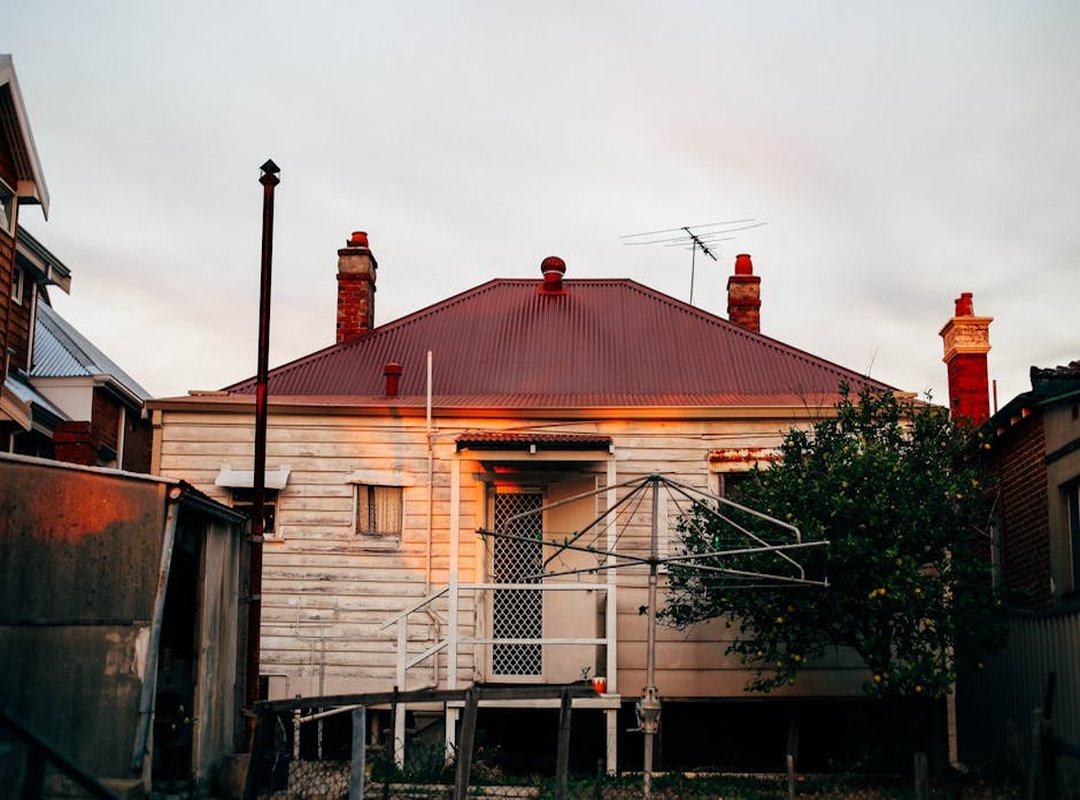
I rearranged my living room last Tuesday. No contractors. No permits.
Just me, a lamp, and a woven mat I found at the flea market.
Natural light hits the couch first now. Not the TV. That small shift changed how long I sit there.
How relaxed I feel. You’ve felt that too, right? When a room just stops yelling at you.
You can read more about this in How sandiro qazalcat die.
Pause points beat storage zones every time. A chair by the window. A bench in the hallway.
Not for storing stuff. But for stopping. Breathing.
Resetting.
Layered lighting works. Ditch the overhead bulb in your bedroom or kitchen. Swap it this week for one warm-toned floor lamp + two dimmable sconces.
Your eyes will thank you. Your nervous system will sigh.
Then add one tactile anchor. A hand-carved bowl on the coffee table. A thick wool rug by the front door.
Something your fingers find without thinking.
This isn’t decor. It’s environmental cueing. It’s how Sandiro Qazalcat Life supports regulation (not) through aesthetics, but through predictable, grounded input.
Too many people chase novelty. New paint. New tiles.
New everything. Consistency calms. Function settles.
Over-customization backfires. I’ve seen it. One room becomes five competing moods.
Confusing. Exhausting.
If you want the full logic behind why texture and pause matter so much, this guide lays it out cleanly.
Shared Rhythms > Shared Apps
I stopped believing community builds itself the day I watched three neighbors wave from porches. Never once stepping off their driveways.
Shared rhythms work because they’re boring. Weekly sunset meals. Monthly tool swaps.
Biannual skill shares where someone teaches canning and someone else shows how to fix a bike chain.
It’s not about turnout. It’s about showing up at the same time, same way, again and again. That repetition wires trust faster than any meeting ever could.
A neighborhood in Duluth tried this. Not with grants or consultants. But by syncing dinner times to sunset and rotating who hosted.
Eighteen months in, their reliance on external services dropped 30%. Not because they got richer. Because someone knew whose kid needed a ride, whose roof leaked, whose pantry ran low.
How Sandiro Qazalcat Life? That phrase came from a group that meets across three time zones. Still calls it “shared rhythm” because they light candles at the same UTC hour every Thursday.
“Community” isn’t population density. It’s intention. Proximity you choose (and) keep.
Skeptical? Good. Most of these efforts fail because they chase output: newsletters, metrics, headcounts.
Real rhythm prioritizes presence. You sit. You listen.
You pass the bread. You don’t post about it.
That’s the part nobody talks about: silence counts too.
What Not to Do With Sandiro Qazalcat Living
I’ve watched people treat it like a checklist. (Spoiler: it’s not.)
You don’t tick off rituals just because they’re listed. That’s not fidelity (that’s) cargo culting.
One group copied a rain-calling chant verbatim. Then held it indoors during a drought. It didn’t work.
Of course it didn’t. The chant wasn’t about sound. It was about collective attention, timing, and local weather patterns.
Instead, ask: What need does this meet here. And how might we meet it with our own materials and timing?
Another misstep: importing practices without cultural or ecological context. Like planting desert-adapted herbs in a wetland garden and calling it “authentic.”
I go into much more detail on this in Sandiro Qazalcat.
Slowness isn’t stagnation. It’s calibration. I’ve seen folks panic when progress didn’t look like a sprint.
But coherence takes time. And it’s the only real metric.
Adaptation is fidelity. Not the exception. The point.
If you’re trying to figure out How Sandiro Qazalcat Life fits your rhythm, start by dropping the idea of “getting it right.” Start by listening. To your land, your body, your community.
Then adjust.
That’s where the real work lives.
You’ll find more grounded examples and practical entry points in this guide.
Your First Sandiro Qazalcat Cycle Starts Now
I’ve been there. Drowning in lifestyle advice. Chasing ideals that leave you exhausted, not alive.
You don’t need another overhaul. You need one real alignment (light,) time, touch, or attention. That’s where How Sandiro Qazalcat Life begins.
Not tomorrow. Not after “getting ready.” Today.
Pick one thing from section 3 or 4. Just one. Do it this week.
Track one subtle shift in how you feel. Not what you did, but how your body settled, or your breath slowed, or your shoulders dropped.
Then pause. Ninety seconds before bed. No phone.
Just you and that quiet hum underneath everything.
Your rhythm isn’t waiting to be discovered. It’s already sounding. You just need to listen closer.
Go ahead. Choose now.