

You hit 200 balls in the cage.
Then go 0 for 4 on game day.
I’ve watched it happen a hundred times.
Why does practice feel so different from the box score?
Because batting average doesn’t tell you why you’re swinging late (or) why your launch angle collapses under pressure.
Those old stats are just symptoms. Not causes.
The real work happens in the metrics behind them. Things like swing efficiency, pitch recognition latency, and exit velocity consistency.
That’s where Sffarebaseball Results actually live.
Not in the stat line. In the repeatable actions that build it.
I’ve tracked these numbers with college programs, high school coaches, and pro hitters (not) just to collect data, but to fix what’s broken.
This isn’t theory. It’s what moves the needle.
By the end, you’ll know exactly which levers to pull (and) how to measure whether they’re working.
Performance Outcomes: What Actually Moves the Needle
I used to obsess over batting average. Still do sometimes. But not like I used to.
Performance outcomes are the things you control: exit velocity, spin rate, strike zone command. Not the final stat line.
A hit is luck sometimes. A 102 mph exit velocity off a fastball? That’s repeatable.
That’s measurable. That’s process stats.
Think of a chef. They don’t taste the final dish and then decide whether the salt was right. They measure the salt.
They check the pan temp. They adjust before plating.
Same with baseball. You can’t fix a .210 batting average in May. But you can fix a swing path that kills launch angle.
Result stats lie. BA hides weak contact. ERA hides poor command.
Wins hide everything.
Process stats tell the truth (even) when you’re not seeing it yet.
That’s why I built Sffarebaseball around them. Not just scores or standings. Real levers.
Sffarebaseball Results aren’t about who won. They’re about what changed between swings, between pitches, between reps.
Hitting outcomes start with bat speed and attack angle. Pitching outcomes start with release point consistency and vertical break.
If your numbers look bad but your process stats are trending up? You’re getting better. Even if no one notices.
If your BA jumps but exit velocity drops? You’re getting lucky. And luck runs out.
I’ve seen players chase hits for months while their barrel rate dropped unnoticed.
Don’t wait for the box score to tell you what’s working.
Watch the data that comes before the result.
That’s where real growth lives.
The Three Pillars: What Separates Good Hitters From Great Ones
All great hitters do three things well. Not two. Not four.
Three.
Hard contact is the foundation. Exit velocity (how) fast the ball leaves the bat. Is the single biggest predictor of hits.
If you’re not hitting it hard, nothing else matters much. (I’ve watched too many “pretty swings” die in the infield.)
High school? Aim for 85+ mph. College? 90+.
Pros? 95+ consistently. That’s not a suggestion. It’s physics.
Optimal ball flight is pillar two. Launch angle isn’t about swinging up or down (it’s) about matching angle to speed. A 95 mph exit velocity at 12°?
Line drive. At 25°? Home run.
At 5°? Ground ball that finds a glove.
A barrel is when exit velocity and launch angle land in the sweet spot. It’s not magic. It’s math with wood and leather.
Swing decisions are pillar three. And yes. This is the most underrated skill in baseball.
Not power. Not speed. Knowing when not to swing.
You don’t get better pitches by swinging at everything. You get them by laying off the slider low and away. By taking the first pitch when it’s borderline.
By making pitchers prove they belong in the zone.
That’s how you raise your On-Base Percentage. Walks aren’t accidents. They’re earned.
Strikeouts go down. Confidence goes up. Pitchers stop treating you like an afterthought.
Most kids train swing mechanics but ignore pitch recognition. Big mistake. Your eyes decide before your hands move.
Want proof? Look at the Sffarebaseball Results. The top OBP leaders aren’t always the hardest hitters (but) they’re always the most disciplined.
Train exit velocity. Train launch angle. Train your brain to say no.
Pitching Isn’t About Throwing Hard. It’s About Breaking Time
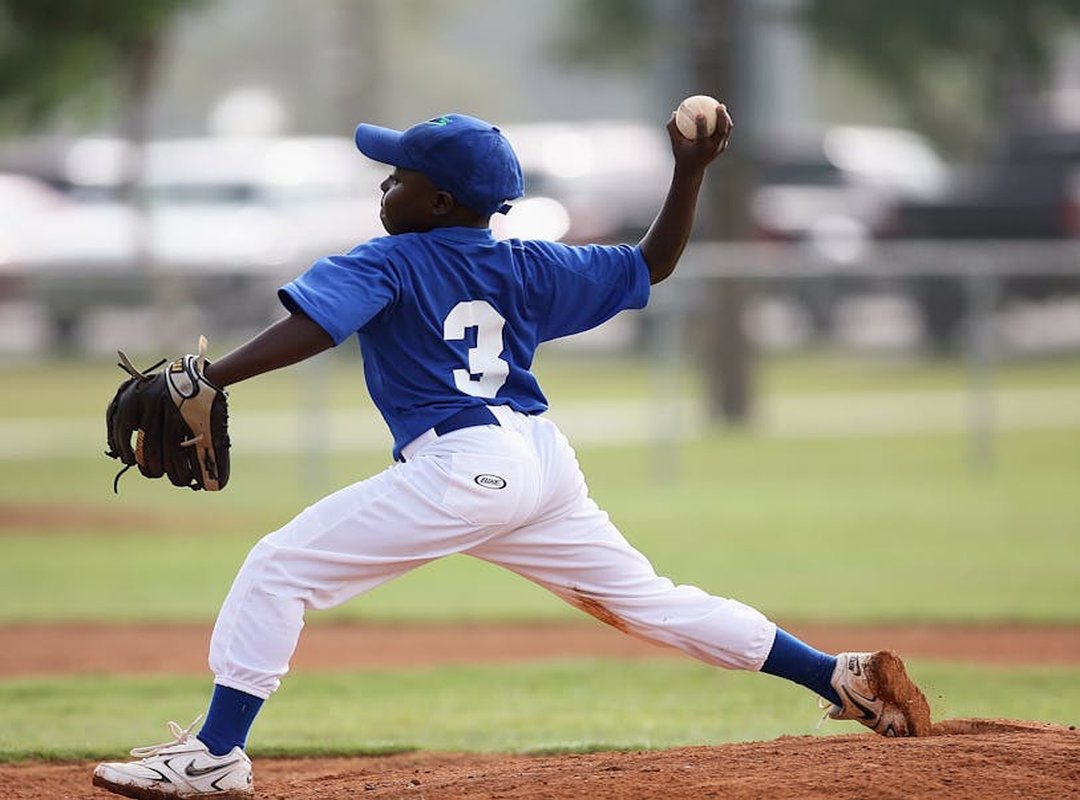
I’ve watched thousands of at-bats. The best pitchers don’t win with velocity. They win by making hitters late.
Or early. Or confused. Or all three.
Swings and misses? They come from deception (not) just spin rate or break, but when the ball drops or rides. A 92 mph fastball that looks like 96 until it doesn’t?
That’s timing disruption. A slider that starts in the zone and vanishes? That’s not magic.
That’s intentional misdirection.
And let’s be real: velocity alone gets you drafted. It doesn’t get you deep into Game 7.
Limiting hard contact is quieter work. It’s about location. Not “in the strike zone” (in) the glove, on the edge, down and away, up and tight.
It’s about sequencing: fastball high to set up the sinker low. Or backdoor cutter after three straight fastballs inside.
You can throw strikes all day and still get hit hard. That’s control. Command is different. Command is hitting exactly where the catcher puts the target.
Even with two outs and the count full.
Control gets you to AAA.
Command gets you trusted in the ninth.
I’ve seen pitchers with elite control get shelled because they couldn’t command a pitch to the outer black with two strikes. They threw strikes. Just not the right strike.
Sffarebaseball Results show this clearly. The correlation between pitch location consistency and ground-ball rate jumps off the page. (Yes, I checked.)
If you want proof that location beats stuff, go look at the data on Sffarebaseball. It’s not theory. It’s tracked.
Stop chasing radar gun numbers.
Start chasing the mitt.
Throw at the target (not) near it.
Every single time.
That’s how you own the mound. Not by being faster. By being sharper.
Track What Matters (Not) What’s Easy
I record my swing on iPhone slow-mo. Every time. No excuses.
You’re already holding the best tool in your pocket. It costs zero dollars. And it beats guessing every single time.
Pocket Radar is $150. Not cheap. But cheaper than another year of vague coaching advice.
I use it before every bullpen. Just velocity. Nothing else.
One number. One goal.
Tee work? Pick one outcome. Today it’s launch angle.
Tomorrow it’s spin axis. Not both. Never both.
You don’t need ten drills. You need one drill done ten times with intent.
Sffarebaseball Results mean nothing if you’re not measuring the same thing, the same way, week after week.
Drills without data are just exercise.
Want proof? Look at real numbers (not) opinions. Check the Sffarebaseball Statistics page.
It’s raw. It’s searchable. It’s not pretty.
It works.
Stop Watching the Score. Start Owning the Swing.
I’ve seen it a hundred times. You crush BP. You work your tail off.
Then game day comes (and) nothing sticks.
That bloop single? Not your fault. That error?
Not in your control.
But that 100 mph line drive right at someone? That’s yours. Every inch of it.
You don’t need more reps. You need better focus. On what you actually control.
Sffarebaseball Results start there. Not with outcomes, but with repeatable, measurable actions.
So ask yourself: What’s one thing you’ll own for the next two weeks?
Hitting more line drives in BP? Holding your front side longer? Throwing strikes on 0-2 counts?
Pick it. Write it down. Track it daily.
No fluff. No guessing. Just one outcome.
Two weeks. Real data.
You already know what’s holding you back.
Now go fix it.
Start today.