Understanding the Recovery Split
Training breaks the body down. Recovery builds it back up stronger. Get that balance wrong, and you’re either spinning your wheels or heading for burnout. Pushing hard without adequate rest isn’t hustle; it’s sabotage.
Rest isn’t some passive lull between workouts it’s part of the training plan. During recovery, muscles repair, hormones stabilize, and your nervous system recalibrates. It’s when the rebuilding happens, both physically and mentally. No recovery, no progress.
Skip this piece of the puzzle, and injury creeps in. Cortisol spikes. Sleep quality declines. Gains stall out. On the flip side, dialed in recovery improves performance, resilience, and long term consistency. Smart athletes don’t wait to feel wrecked before they rest they build recovery into the structure, because it’s not a luxury. It’s the other half of the job.
Forms of Intelligent Rest
Recovery isn’t about putting your feet up and zoning out. It’s about moving with purpose, fueling strategically, and resetting both body and mind. When you treat recovery like training, it starts to return real value.
Active Recovery
Sitting still after a hard session might feel right, but circulation is key. Low intensity movement think walking, cycling, light mobility work keeps blood flowing, flushes lactic acid, and signals the body to repair. It’s not a workout; it’s a system flush.
Sleep Hygiene
Eight hours isn’t optional. Your body does its deepest repair work when you’re out cold. Set a wind down routine, kill the blue light, and cool the room down. Sleep is where your hormones balance, your muscles rebuild, and your nervous system resets.
Nutrition Timing
Food is fuel, but timing is power. The window right after training is critical. Protein for repair, carbs to restock glycogen, hydration to restore balance. You don’t need a spreadsheet just eat clean, eat soon, and listen to your body.
Mental Resets
You can’t run hard on a frayed mindset. Mindfulness, breathwork, and quick visualization drills lower cortisol and improve focus. Five minutes of stillness can do more for your performance than ten extra reps. Train the brain as intentionally as you train the body.
Tech Assisted Recovery Tools
Recovery isn’t just rest anymore it’s measurable, trackable, and highly personal. Wearables like WHOOP, Oura, and Garmin are putting data at your fingertips. Heart Rate Variability (HRV) gives a quick read on your nervous system readiness. Sleep trackers break down if you’re actually recovering overnight or just turning in early. Strain scores tie it all together, showing whether you’re training too hard or not enough. Bottom line: if you’re not adjusting based on recovery data, you’re training blind.
Then there’s the gear. Normatec boots, cryo chambers, massage guns every gym influencer swears by them. Are they game changers? That depends. If your training load is high and your budget allows, these tools can help speed blood flow, reduce muscle soreness, and extend your output. But they’re not magic. No tool replaces sleep or smart programming. Use them to complement the basics, not cover up sloppy recovery habits.
The key is customization. A sprinter’s recovery stack won’t look like a CrossFitter’s. If you’re lifting heavy, your body may need more soft tissue work. If you’re logging miles, it might be hydration and mobility. Let your training load dictate your tools and don’t be afraid to swap pieces in or out. Efficient recovery isn’t about having everything, it’s about using the right things at the right time.
Injury Specific Recovery Tips
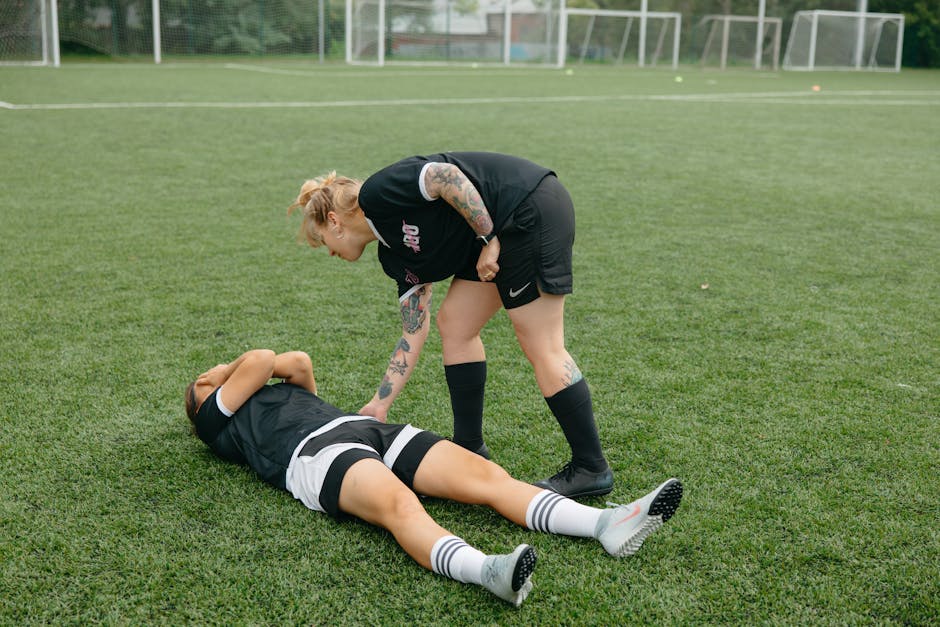
Not all pain means the same thing. Overtraining creeps up fatigue that won’t go away, poor sleep, dropping performance, low motivation. It’s your body waving the white flag. Acute injury, on the other hand, is sharp and sudden. A snap, a pull, a twist often felt in real time. Knowing the difference is what keeps soreness from turning into sideline time.
This is where load management becomes critical. Training often feels like piling on. But real progress comes from removing just enough pressure at the right time. Dial it back before your body forces you to. Built in rest days, lighter weeks, rotating intensity it’s not weakness, it’s smart planning.
And when injury does happen? Guesswork’s not your friend. Follow rehab protocols grounded in evidence, not anecdotes. Trust the pros, not just the guy at your gym who says to “walk it off.” Recovery isn’t about pushing through it’s about rebuilding right, step by step.
Read more on recovery from injuries
Training Smarter in the Long Run
Anyone can push hard for a while. But if you want to last, you need to pace it. That’s where periodization and strategic deloading come in. These aren’t buzzwords; they’re the backbone of long term performance. Top athletes don’t train at full throttle year round. They cycle through phases: build, peak, recover. And when they deload slightly reducing intensity or volume it’s not slacking. It’s precision. It lets the body catch up and adapt.
Chasing short term wins with constant high intensity training might look impressive, but it’s a fast track to burnout or injury. Longevity beats the overnight hero. Sustainable gains come from training smart, not just hard.
That’s why recovery can’t be an afterthought. It’s not what you do occasionally when something hurts it’s what you bake into your routine. Sleep, mobility work, mental resets… these should be daily habits, not band aids. Think of recovery as the discipline that holds all your other efforts together.
Train to last, not just to peak. That’s real progress.
Pro Mindset: Make Recovery Non Negotiable
Elite athletes don’t wait until they’re hurting to think about recovery. It’s baked into the plan from day one. They know that performance lives and dies by the quality of rest, not just the intensity of training. That means scheduled mobility work, dedicated downtime, and sleep that gets treated like a workout on its own.
You don’t need a gold medal to build similar habits. Start simple: block time for recovery just like you block time for training. That could mean a weekly active recovery day, foam rolling after every session, or non negotiable lights out routines. Consistency here counts more than complexity.
Make it systematic, not reactive. Keep a journal. Track recovery scores from devices if you use them. Notice patterns what helps you bounce back, and what leaves you dragging. Build your own rhythm you can actually stick to.
Because real progress doesn’t hinge on how hard you go. It’s how well you come back from going hard. For more tools, especially if you’re bouncing back from an injury, dig into this practical guide.
Final Word: Respect the Process
Recovery isn’t a break from training it’s the fulcrum of progress. You don’t grow while grinding reps or sweating through sprints. You grow when the body rebuilds, reconnects, and regroups. That only happens when you give recovery the same focus you give the workout.
It’s easy to fight rest, especially when motivation is high or goals feel urgent. But hammering your system without stepping back leads to burnout, injury, or plateau. Progress isn’t only about effort. It’s about timing it. Strategically.
Listen to your body seriously. Tune in to subtle feedback like sleep quality, HRV, mood swings, appetite. Pair that with the data. If your wearable shows red, it’s not weakness, it’s intel. Use it.
And be patient. The biggest leaps forward often follow periods of deliberate downshift. Sharpen the discipline to rest with purpose. That’s how you stay in the game longer and stronger.